
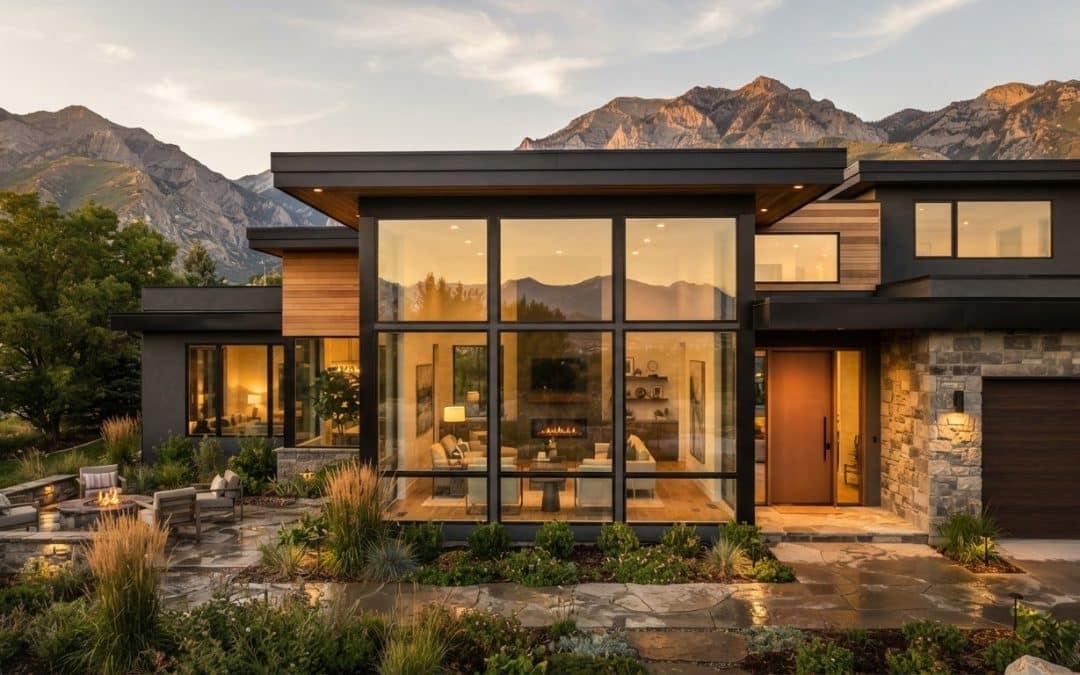
Daytime privacy from one way mirror film for home Provo depends on the lighting. The film creates a reflective effect when it’s brighter outside than inside, but the effect reverses at night when interior lights are on. Blinds or shades provide backup privacy after dark.
It’s understandable to want windows that let in daylight without making your home feel exposed or bringing in as much solar heat. Reflective film can support daytime privacy and help manage solar heat. Choosing the right film for the glass and room helps balance appearance, comfort, and energy efficiency.
This guide explains how reflective privacy works, what changes after dark, and how glass, window dimensions, and professional installation affect the result. You’ll also learn what to consider for your Provo home and when another type of window film may suit your needs better.
Key Takeaways
- Reflective privacy works best when outdoor light is brighter than indoor light; consider how lighting changes after dark.
- Plan for nighttime privacy with blinds or shades, since interior lighting can reverse the mirror effect.
- Film fit depends on window dimensions and glass, so installation planning should account for the specific glazing.
- Professional installation places the film on the inside of the window, with its adhesive side facing the glass.
- Compare film options for privacy and solar heat control to find a balance that suits your home’s comfort and energy-efficiency goals.
How Else Can I Create Window Privacy?
Reflective film can provide daytime privacy, but its mirror effect depends on lighting. Before choosing a film, consider nighttime visibility, glass compatibility, and how much natural light the room needs.
Daytime Privacy and Nighttime Visibility
One-way mirror film creates a reflective appearance outside when outdoor light is brighter than indoor light. In daytime, that difference can make it harder for people outside to see in. The effect does not provide constant privacy: at night, interior lights can make the room more visible from outdoors.
For bedrooms and living rooms, plan to use blinds or shades after dark. In Provo, check the window at different times, including after sunset with the room lights on. This shows how changing light affects privacy. Because a reflective film’s appearance also depends on surrounding brightness, daytime performance does not guarantee nighttime coverage.
How Reflective Film Privacy Works
Reflective film creates a one-way mirror effect through a difference in light levels on each side of the window. A light ratio of at least 4:1 is recommended for a true one-way mirror effect. Sunlight is generally brighter than indoor lighting during the day, which supports the reflective appearance on exterior glazing.
At night, lamps and ceiling lights can make the room brighter than the outdoors, reversing the effect. Managing the lighting to maintain a 4:1 ratio day and night can support the effect, but practical lighting needs may make that difficult. For privacy in both directions, privacy window film is another option. Consider whether you need a mirror-like exterior or consistent obscuring.
Privacy for Home and Bathroom Windows
Choose a solution based on each room’s needs. A street-facing living room may benefit from daytime reflective privacy while retaining an outdoor view. A bathroom, where privacy is also needed after dark, may call for film that obscures visibility in both directions. Blinds or shades can provide nighttime coverage too.
Before choosing, consider the window’s position, interior lighting, and how much daylight you want to preserve. Reflective film changes the window’s appearance and can reduce incoming light. For a bathroom window, consider privacy when the room is lit at night, not only when sunlight is strongest. Match the solution to how the room is used.
There isn’t one answer for every Provo home. HOA restrictions depend on the property’s governing documents, and applicable local requirements also matter. Review them before choosing a reflective finish.
Buying Film and Choosing an Installer
When considering one-way mirror window film in Provo, compare the intended privacy effect, appearance, and suitability for your windows. Double-pane and low-E glass require compatibility assessment: installation may be possible, depending on the glazing construction and film properties. A professional installer can assess the glass before work begins.
One possible drawback is reduced indoor daylight. Another is the risk of damage if the film and glazing are incompatible. Reviews and warranty terms vary among local installers. Read reviews for comments on installation quality and finished appearance, then examine written warranty terms for coverage, exclusions, and the claims process. These details clarify the service and its limits before you proceed.
Professional installation
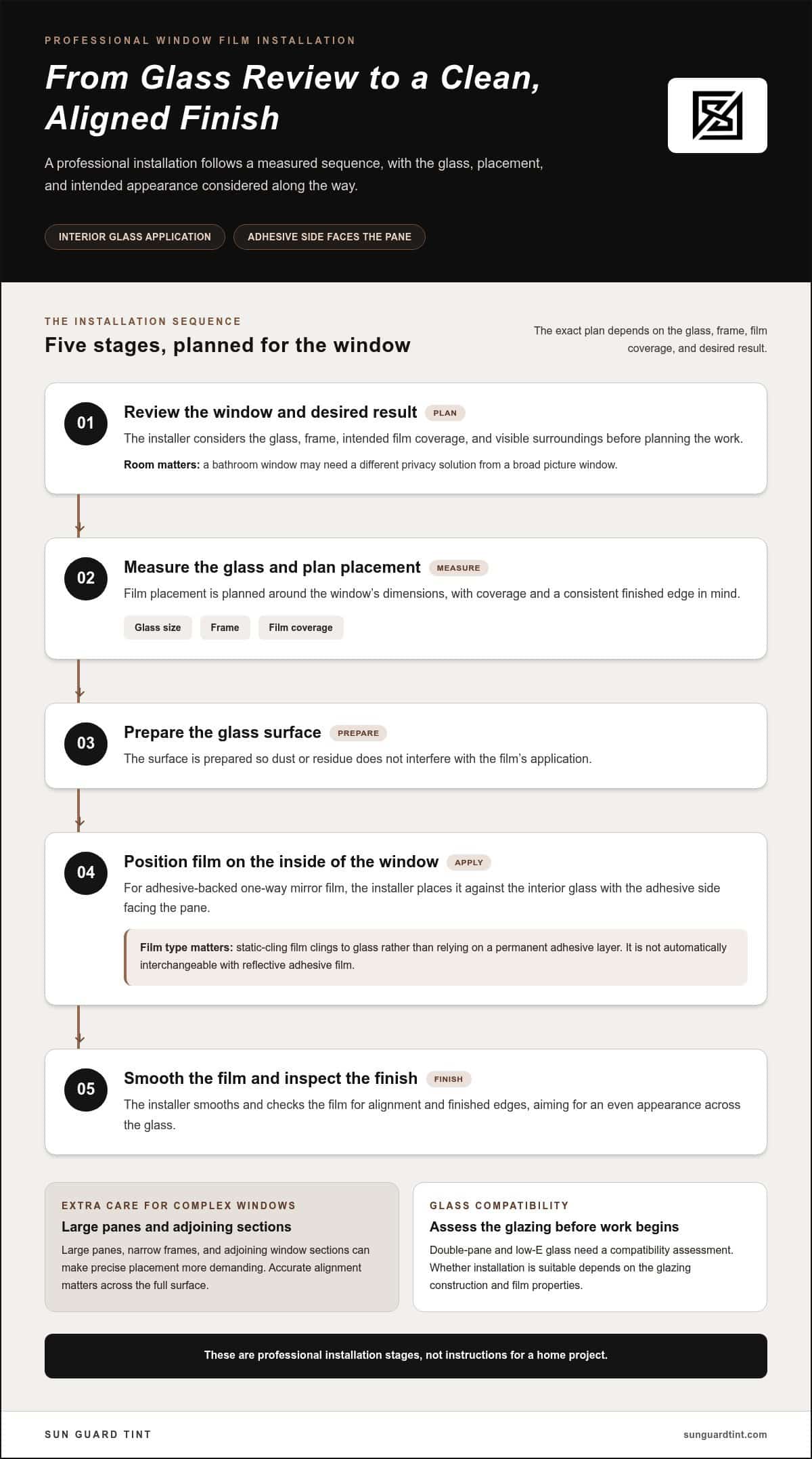
Professional installation helps align reflective film with the window’s dimensions and intended appearance. The installer applies one-way mirror film to the inside of the window, with its adhesive side facing the glass. For a large living-room pane, accurate alignment matters across the full surface, not just at the edges.
The work begins with a review of the window and the desired result. The installer considers the glass, frame, film coverage, and visible surroundings to plan the film’s position and a consistent finished edge. A bathroom window, for example, may need a different privacy solution from a broad picture window.
Installation generally follows a measured sequence. A professional will:
- Measure the glass and plan the film’s placement.
- Prepare the surface so dust or residue doesn’t interfere with application.
- Position the film against the interior glass, adhesive side facing the pane.
- Smooth and inspect the film, checking alignment and the finished edges.
These are professional installation stages, not instructions for a home project. Large panes, narrow frames, and adjoining window sections can make precise placement more demanding. A trained installer can manage these details and maintain an even appearance across the glass.
Static-cling film works differently from adhesive-backed film. Instead of relying on a permanent adhesive layer, it clings to the glass. That can matter if you want a temporary treatment or expect to change the window’s appearance later. However, static-cling products and reflective adhesive films are not automatically interchangeable. The film’s construction and intended use determine the appropriate installation method.
Ask the installer to explain the film type and planned work for your windows. For example, confirm which panes will receive film and whether coverage will extend across the full glass area. Clear expectations help you compare the proposed finish with your privacy goals before installation.
Professional installation is especially useful when several windows need a consistent finish or when precise edges are important. Sun Guard Tint’s residential window film information offers a relevant starting point for exploring film solutions for a home.
Film dimensions and materials
Film dimensions affect coverage, seams, and how neatly the material fits the window. Reflective film is generally made from two sheets of polyester; its finish and roll width also affect appearance and fit. For a Provo home, compare the glass dimensions with the film format, then consider the privacy effect you want.
For home windows, options include silver reflective film and privacy film. Silver reflective film commonly called silver 20 gives glass a silver mirrored appearance. Privacy film is another category, designed to obscure visibility in both directions. Brand names aren’t needed to understand these distinctions: compare the film’s material, finish, and intended privacy function.
A clear-glass example measures 12 inches by 12 inches, with two-way mirror film applied. That example shows how a reflective treatment changes the look of a defined glass area. It doesn’t determine how a different window will appear. Pane size, natural light, interior lighting, and the chosen film all affect the finished impression.
Listed roll sizes range from 24 inches by 100 feet to 72 inches by 100 feet. Wider formats can suit broad panes, while narrower formats may fit smaller sections. The relevant choice depends on each window’s dimensions and layout. For example, a large picture window and a narrow bathroom pane create different coverage needs. Accurate measurements help plan the fit and limit unwanted seams.
Film dimensions describe the material’s width and length; they do not mean one roll size will suit every home. Window shape, frame boundaries, and divided panes affect coverage planning. For example, a multi-pane window may need separate sections rather than one uninterrupted piece. Discussing these details during professional installation helps set expectations for the finished appearance.
Also consider how the reflective finish relates to your home’s exterior and indoor light. Silver 20 creates a visibly mirrored appearance, so it may look different from clear glass even when the window dimensions are unchanged. A sample image or a clear explanation of the intended finish can help you assess the visual change before selecting a film. Match the appearance to the room and the home’s exterior.
For a Provo home, choose film based on the window’s size, the finish you want, and whether you need a reflective appearance or privacy in both directions. Those distinctions matter more than roll dimensions alone. A professional can assess the glass layout, recommend an appropriate option, and plan coverage for each pane.
Heat control and energy efficiency
Sunlight through a south-facing living-room window can make nearby spaces feel warmer. Solar control film helps manage heat entering through glass, supporting indoor comfort during sunny periods. The effect depends on the film and the window, so choose for the room’s actual exposure rather than appearance alone.
Reflective film interacts with incoming solar energy at the glass. Depending on its construction, it can reflect or absorb some energy instead of letting all of it pass indoors. This can help reduce solar heat gain, especially where direct sunlight falls on a large pane. It does not make the window a complete barrier to heat.
For energy efficiency, consider how each room is used. A sunny home office may become uncomfortable during afternoon work, while a shaded hallway may have little heat-related concern. Film can help moderate solar heat and potentially reduce the cooling demand associated with that window. Results also depend on existing glazing, shade, and indoor temperature settings.
Compare film options with these considerations in mind:
- Sun exposure: Note which windows receive direct sunlight and when.
- Room use: Identify spaces where solar warmth affects comfort, such as a bedroom or office.
- Daylight: Consider how a reflective finish may change the amount of light entering the room.
- Window construction: Include the existing glass type in the film selection process.
A bright living room, for example, may benefit from solar heat control while retaining natural light. A darker film could change the room’s daylight as well as its exterior appearance. Consider comfort, light, and the look you want together, rather than choosing based on heat control alone.
Energy efficiency depends on the whole home, not a single window. Film may help limit solar heat entering through treated glass, but results also depend on how the home manages heat overall. Room orientation, shading, existing windows, and cooling habits all affect comfort. Treat window film as one part of managing solar heat, not a guarantee of lower energy use.
In Provo, note which windows feel hottest during sunny periods and where that warmth matters most. Share those examples when selecting film. Matching its heat-control purpose to the window’s exposure helps balance comfort, daylight, and the home’s appearance.
Where can I buy one-way mirror window film in Provo, Utah?
Provo homeowners can have reflective window film installed through a professional residential window-tinting service. Professional installation connects film selection with the home’s glass, window dimensions, and privacy goals. Buying a roll is different from choosing an installed solution: decide whether you want to source the film yourself or have a professional guide material selection and placement.
Before choosing one-way mirror film for your Provo home, define what each room needs it to do. A living-room window might call for a mirrored exterior appearance, while a bathroom may need privacy after dark. The effect changes with lighting, so daytime appearance alone does not describe the film’s full performance. List the rooms, privacy concerns, and whether nighttime coverage matters.
Film formats vary in width and length, and each window layout affects what fits. A broad picture window and a narrow divided pane have different coverage needs. Share the glass dimensions and any divided sections during selection. This helps determine whether the roll format suits the planned installation and whether visible seams could affect the finished look.
Material choice matters as much as roll size. Silver reflective film creates a mirrored look, while privacy film can suit homes that need obscured visibility in both directions. These are different goals, not interchangeable labels. Describe the result you want clearly, such as daytime privacy with a reflective appearance or visual privacy regardless of which side has brighter lighting.
When comparing options in Provo, consider how one-way mirror film for your home will perform in each room. Use a consistent set of questions about the film and its application:
- What appearance will the selected film create from outdoors?
- How will it affect daylight entering the specific room?
- Does the material suit the window’s glass construction?
- How will the installer handle divided panes and finished edges?
- What nighttime privacy plan will work with the film?
These questions keep the decision focused on fit, not just the product label. For example, you may prefer a reflective finish for a street-facing room but choose another privacy approach for a bathroom. A professional can relate those priorities to your home’s windows rather than treating every pane alike.
For a Provo home, identify the windows, describe the privacy and heat-control goals, and discuss the film’s fit with a professional. Share the rooms and glass layout through the contact page to start a project discussion.
Sun Guard Tint: Residential Window Tinting
Sun Guard Tint helps homeowners assess residential window tinting for privacy, solar heat, and the appearance of their glass. Turn to the team when comparing reflective film with other privacy options or seeking professional guidance on fit for specific windows. The right choice depends on each room’s light, glass, and privacy needs.
For example, a sunny living room may call for a different solution than a bathroom that needs privacy after dark. Discuss your priorities and the windows you want treated to explore a suitable approach. Visit the residential window film page for service details, or contact Sun Guard Tint to discuss your home.
Make a Confident Choice for Your Home
Think of window film as part of how each room feels and functions, not just as a finish on the glass. A home office, shared living space, and bedroom can each have different priorities. Identifying the rooms that matter most helps you plan around daily routines and the atmosphere you want at home.
Choosing one-way mirror film for your Provo home is also an opportunity to consider whether a fixed film suits your longer-term plans. Sun Guard Tint offers Smart Window Film as another option for homeowners exploring window-film solutions. Comparing approaches can help you choose what fits your property and preferences.
Bring your goals and questions to a conversation with Sun Guard Tint. Contact Sun Guard Tint to discuss your windows, and take the next step toward a home that feels more comfortable and considered.
Frequently Asked Questions
What is One Way Mirror Film?
One-way mirror film creates a reflective appearance on the brighter side of the glass. During daylight, for example, the exterior may look reflective while people inside can see outdoors. The effect depends on relative light levels, so the film does not provide the same privacy in every condition. Consider the room’s use and nighttime privacy needs before deciding whether this finish suits your windows.
Which Provo companies install one-way mirror window film for homes?
Sun Guard Tint provides residential window tinting for homeowners in Provo. Its local service area also includes West Jordan, Salt Lake City, Orem, Lehi, Payson, Spanish Fork, South Jordan, and Saratoga Springs. If you’re considering reflective film, discuss the windows you want treated and your priorities, such as exterior appearance, indoor comfort, or privacy. This can help identify a suitable residential film approach.
How effective is one-way mirror film for daytime privacy, and does it work at night?
Reflective film can support daytime privacy when exterior light is brighter than indoor light, such as at a sunlit front window. At night, a lit room may become more visible from outside as the light balance changes. For a bedroom facing a walkway, plan how to cover the window after dark. Blinds or shades provide additional privacy when the reflective effect no longer suits the conditions.
Does one-way mirror window film block UV rays, heat, or glare?
Window film can address heat, UV exposure, and glare, but exact performance depends on the film type. Sun Guard Tint states, “All our window films offer 76 % heat rejection and block 99 % of UV rays.” Its residential and commercial window tinting is also intended to reduce glare. For a bright room with screen reflections, consider glare control alongside privacy and the desired amount of daylight.
How do you measure and install one-way mirror window film?
A professional installer measures the glass and considers pane layout, frame edges, and glass type before planning coverage. One-way mirror film is applied to the inside of the window, with its adhesive side facing the glass. Each section of a divided window needs careful attention so coverage aligns with the glass. Professional assessment also helps match the film to the window and intended result.
What types and brands of one-way mirror film are available for home windows?
Home options include silver reflective film, commonly called silver 20, which gives glass a silver mirrored appearance. The material and finish vary; no specific film brands are identified.

Article by
Sun Guard Tint