
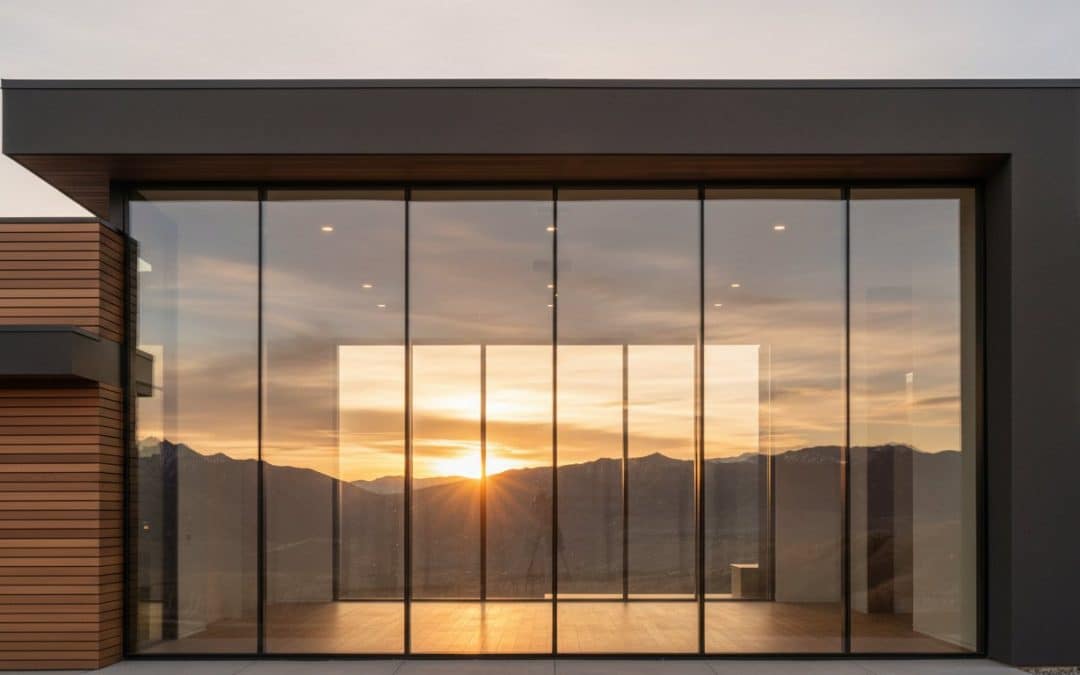
Did you know that for every 1,000 feet of elevation, UV radiation levels increase by approximately 10 percent? At Salt Lake City’s average elevation of 4,226 feet, your home’s interior is bombarded by 40 percent more damaging rays than a coastal property. It’s frustrating to watch your expensive hardwood floors lose their luster or feel your west-facing living room turn into a furnace by 4:00 PM every August. You shouldn’t have to choose between a beautiful view of the Wasatch Front and a manageable indoor temperature.
This guide explains how professional residential window film acts as a high-performance shield for your property. These advanced materials reject up to 99 percent of UV rays to protect your upholstery while significantly lowering your monthly cooling requirements. We’ll explore the latest 2026 technology in infrared heat rejection and clarify how the right selection provides daytime privacy without sacrificing your natural light. By the end of this article, you’ll understand how to transform your windows into active energy-saving assets that keep your home cool and your furnishings pristine for years to come.
Key Takeaways
- Understand why Utah’s high altitude demands specialized protection to shield your home’s interior from intense, high-elevation UV rays.
- Navigate the evolution of glass technology to select the ideal residential window film that balances superior heat rejection with optical clarity.
- Utilize a professional decision-making matrix to align your film choice with specific goals like energy efficiency or interior preservation.
- Learn the truth about common concerns, including how modern films affect houseplant growth and why professional application is vital for maintaining window warranties.
- Discover the Sun Guard standard of installation that ensures a flawless, long-lasting finish through meticulous cleaning and technical expertise.
What is Residential Window Film and Why Does Utah Need It?
Modern residential window film is a high-performance, multi-layered polyester coating applied directly to the interior surface of architectural glass. While many homeowners still think of these products as simple darkening “tints,” the industry has transitioned into advanced solar technology. These films serve as a protective shield, specifically engineered to address the unique climate challenges found across the Wasatch Front. According to the foundational definition of What is Window Film?, these products provide essential functions ranging from thermal insulation to rigorous UV filtration.
Living in Salt Lake City or West Jordan introduces a specific “high-altitude factor” that requires specialized protection. At elevations exceeding 4,300 feet, the atmosphere is thinner and offers less natural protection from solar radiation. This geographic reality results in UV intensity levels that are often 10% to 15% higher than those found at sea level. Standard double-pane windows often struggle to manage this increased load. To solve this, homeowners can choose between solar control films for heat management, privacy films for seclusion, or safety films that reinforce glass against accidental impact or breakage. Working with qualified window film installers near me who understand Utah’s unique elevation challenges ensures you get the right product matched to your specific glass type and solar exposure.
The Science of Heat Rejection in the Wasatch Front
The primary benefit of professional film is its ability to block up to 97% of Infrared (IR) heat. This is the specific spectrum of light responsible for that burning sensation on your skin when sitting near a window on a July afternoon. By rejecting IR heat while maintaining high visible light transmission, your home stays bright without becoming a greenhouse. In regions like Orem and Provo, where winter temperatures frequently drop below 30 degrees Fahrenheit, these films also provide a layer of thermal insulation. This helps retain interior heat, making your HVAC system more efficient throughout the year. Most importantly, blocking 99% of UV rays prevents the irreversible fading of hardwood floors and expensive upholstery.
Professional Grade vs. Retail DIY Films
It’s vital to distinguish between professional architectural films and the rolls found in big-box retail stores. Professional-grade products utilize advanced cross-linked adhesives that create a permanent, molecular bond with the glass. This ensures the film won’t peel or purple after three seasons of Utah’s extreme temperature swings. Retail films often lack the optical clarity of professional versions, leading to a distorted view of the mountains. Our Expert Guardian commitment ensures a flawless, bubble-free finish that looks like a factory-integrated part of the glass. We focus on technical precision so that your investment provides crystal clear views and reliable protection for decades, not just months.
Comparing the Core Types of Home Window Film
The window film industry has undergone a massive transformation since the early 2000s. We’ve moved past the days of purple, bubbling dyed films that offered little more than a darker room. Today, the focus is on high-performance materials that protect your interiors without changing how your home looks from the curb. Choosing the right residential window film depends on your specific goals, whether that’s slashing utility bills or protecting expensive hardwood floors from UV damage. You can explore our residential window film options to see how these modern materials differ from traditional glass treatments.
According to the U.S. Department of Energy, heat gain and loss through windows are responsible for about 25% to 30% of residential heating and cooling energy use. Installing energy-efficient solutions is one of the smartest upgrades a Utah homeowner can make. In our high-altitude climate, the solar load is intense. Finding a film that balances aesthetics with thermal performance is essential for long-term comfort. For a deeper dive into temperature regulation, check out our Heat Control Window Film Guide.
Ceramic Window Film: The Premium Standard
Ceramic film represents the pinnacle of window technology. By using nano-ceramic particles, these films block up to 99% of UV rays and a vast majority of infrared heat. Unlike older metallic films, ceramic doesn’t interfere with cell signals or Wi-Fi. It’s the top choice for modern Salt Lake City homes with floor-to-ceiling glass because it maintains a crystal clear view of the Wasatch Range. You get the protection you need without the reflective mirror look that can clash with contemporary architecture. It’s an investment in invisible protection that keeps your home interior significantly cooler during a July heatwave.
Dual-Reflective and Carbon Films
Dual-reflective films solve a specific problem for West Jordan homeowners: privacy. These films are engineered to be more reflective on the outside than the inside. This means you can see out clearly at night without seeing your own reflection, while neighbors can’t see in during the day. Carbon-based films are another excellent architectural choice. They offer a deep, matte finish that excels at glare reduction. If you’ve ever struggled to see a TV screen in a sun-drenched living room, carbon film is a reliable fix. These options work particularly well for:
- Traditional brick homes in West Jordan needing enhanced daytime privacy.
- Home offices where screen glare causes constant eye strain.
- East-facing bedrooms that get hit with intense, early morning light.
Selecting the right material ensures your home stays protected while looking its absolute best. If you aren’t sure which technology fits your glass type, feel free to contact us for an expert recommendation tailored to your property.

The Selection Framework: Choosing the Right Film for Your Utah Home
Selecting the right residential window film requires a balance between technical performance and visual appeal. You aren’t just buying a sticker for your glass; you’re installing a functional layer that manages solar energy. According to the U.S. Department of Energy on window efficiency, proper treatments can significantly reduce heat gain. In Utah, where summer temperatures often exceed 95 degrees, this is vital for maintaining a manageable climate indoors. We analyze your glass type before installation to ensure compatibility. Dual-pane windows require films with specific absorption rates to prevent thermal stress fractures. If your home already has Low-E coatings, we select films that complement those layers rather than trapping heat between them. This professional assessment prevents the glass from overheating and ensures the longevity of your window seals.
Choosing the right film involves a trade-off between Visible Light Transmission (VLT) and Total Solar Energy Rejection (TSER). A lower VLT means a darker tint, which generally offers higher heat rejection. However, modern ceramic technology allows for high TSER even with high VLT. Our selection framework uses a goal-oriented matrix to narrow your options:
- Heat Reduction: High-TSER Ceramic films with rejection rates up to 80%.
- Glare Control: Neutral or charcoal tints with 15% to 35% VLT.
- Fading Protection: Museum-grade clear films with 99.9% UV rejection.
- Privacy: Dual-reflective or frosted films for daytime or 24/7 shielding.
Goal-Based Selection: Privacy, Protection, or Performance?
Your choice depends on your specific pain points. For high-density neighborhoods in South Jordan, dual-reflective films offer a mirrored exterior during the day while maintaining a clear view from inside. West-facing homes in Payson often face 4:00 PM temperature spikes; ceramic films can block up to 80% of infrared heat without darkening rooms. Many tech-heavy residences now incorporate smart window film to toggle between privacy and clarity via a mobile app or voice command.
Aesthetic Considerations for Utah Architecture
Utah architecture ranges from mountain-modern glass in Draper to traditional brick in West Jordan. Communities in Lehi and Saratoga Springs often have strict HOA rules regarding exterior reflectivity. We typically recommend films with a visible light reflectance of 20% or lower to stay compliant. For those who prefer an unaltered look, high-performance clear residential window film maintains 70% light transmission while filtering 99.9% of UV rays. This protects hardwood floors and custom furniture from fading without changing the curb appeal of your property.
Common Misconceptions and Local Concerns
Many homeowners worry that adding residential window film will turn their living rooms into dark caves or kill their indoor greenery. This is a myth rooted in outdated technology. Modern films are engineered to filter specific wavelengths with surgical precision. While they block 99% of harmful ultraviolet rays, they allow Photosynthetically Active Radiation (PAR) to pass through. Since plants rely on PAR for photosynthesis, your fiddle-leaf figs and monsteras will continue to thrive. In fact, by reducing extreme heat spikes near glass, the film often creates a more stable environment for sensitive tropical plants.
Another concern involves window warranties. You might hear that applying film voids the manufacturer’s agreement. This isn’t true when you choose a professional partner. Sun Guard Tint uses films backed by major manufacturers that include gold standard thermal shock and seal failure coverage. Because Salt Lake City sits at an elevation of 4,226 feet, our homes face 16% more UV intensity than coastal properties. Cheap, hardware-store films often bubble or turn purple within 24 months because they can’t handle this radiation. Our professional-grade materials are designed to withstand this high-altitude exposure without degrading.
The Reality of Energy Savings in Utah
Upgrading to high-performance film is often a smarter financial move than full window replacement. While a single new window can cost between $800 and $1,200 based on 2025 market averages, residential window film provides a similar thermal benefit for a fraction of that investment. In cities like Orem and Spanish Fork, where summer temperatures regularly exceed 90°F, this translates to a massive reduction in HVAC strain. It’s not just about the bill; it’s about functionality. If you’re working from a home office, the film eliminates the 2:00 PM glare that makes computer screens unreadable, allowing you to stay productive without sitting in a dark room with the blinds pulled.
Durability and Maintenance in Extreme Weather
Utah weather is famously erratic. Our glass must survive -10°F winter nights and 100°F July afternoons. Professional films are multi-layered and utilize advanced adhesives that expand and contract with the glass, preventing peeling or cracking during these 110-degree temperature swings. To keep your windows looking pristine and ensure the Sun Guard Standard lasts decades, follow these basic care steps:
- Use synthetic sponges or soft microfiber cloths for all cleaning.
- Avoid ammonia-based cleaners which can degrade the scratch-resistant coating.
- Wait at least 30 days after installation before the first cleaning to allow the adhesive to fully cure.
Our Expert Guardian approach ensures that every square inch of glass is assessed for thermal compatibility to maintain long-term structural integrity. This meticulous attention to detail ensures your investment remains crystal clear for years to come.
Ready to protect your home with the industry’s most reliable shielding? Contact our specialists today for a professional consultation.
The Sun Guard Standard: Professional Installation in West Jordan & Beyond
A flawless installation starts long before the film touches the glass. We utilize a proprietary multi-stage decontamination process to ensure every pane is surgically clean. This includes mechanical scraping with specialized glass-safe blades and high-pressure edge flushing to remove micro-dust. Even a single speck of Salt Lake Valley silt can compromise the optical clarity of your residential window film. Our technicians treat your home with the precision of a laboratory environment, ensuring that the final result is indistinguishable from factory-tinted glass.
Our team brings over 20 years of hands-on experience to every project in the Salt Lake Valley. This longevity has allowed us to refine a process that prioritizes your home’s cleanliness and the film’s durability. The Sun Guard Standard involves:
- Pre-installation glass inspection to identify existing scratches or seal failures.
- Precision hand-trimming for a gapless, edge-to-edge fit.
- Post-installation moisture extraction to accelerate the curing process.
- A final quality control walkthrough to ensure every window meets our Expert Guardian criteria.
You can contact us for a professional consultation to learn more about how our meticulous preparation prevents common issues like bubbling or edge lifting.
Our Regional Service Area
Our roots are firmly planted in West Jordan, but our service extends across the entire Wasatch Front, including Salt Lake City, Provo, and Orem. We understand the specific physics of Utah’s high-altitude environment. At an average elevation of 4,300 feet, your home is subjected to UV intensity that is roughly 16% higher than properties at sea level. Our team calculates specific sun angles for every project, ensuring that west-facing windows receive the heavy-duty infrared rejection they require. If you’re evaluating your options and searching for trusted window film installers near me in the Salt Lake City and West Jordan area, our detailed guide walks you through exactly what to look for in a qualified professional. You can also view our gallery of professional tinting work to see how we have successfully transformed homes throughout these diverse microclimates.
Experience the Difference
Choosing Sun Guard means choosing the Expert Guardian for your property. We don’t just apply film; we provide a shield that preserves your interior investments. Every installation is backed by a comprehensive warranty that protects against bubbling, peeling, or fading. We focus on protecting what matters, from your family’s skin health to the integrity of your hardwood floors. This commitment to longevity is why we have remained a trusted name in the valley for over two decades. Our professional residential window film solutions provide the peace of mind that comes with knowing your property is shielded by the best materials in the industry. Schedule your home window film assessment today to begin your home’s transformation.
Transform Your Home with the Sun Guard Standard
Living in the Salt Lake Valley means facing unique environmental challenges. With an average elevation of 4,226 feet, Utah homes receive significantly higher UV radiation than coastal properties. Installing residential window film isn’t just about style; it’s a critical step in preserving your interior fabrics and reducing cooling costs during our record breaking summer heatwaves. You’ve learned how specialized films reject infrared heat while maintaining the optical clarity of your mountain views. Choosing a solution tailored for our high-altitude climate ensures your investment lasts for years to come.
Sun Guard Tint brings over 20 years of local Utah experience to every project. Our expert installers serve homeowners from Salt Lake City to Provo, providing precision craftsmanship that DIY kits simply can’t match. We focus on high-performance materials designed to withstand the intense solar glare found in West Jordan and surrounding areas. It’s time to upgrade your living space with a professional touch that prioritizes both protection and performance.
We look forward to helping you create a cooler, safer, and more comfortable environment for your family.
Frequently Asked Questions
Does residential window film make my house too dark inside?
Modern residential window film provides exceptional heat rejection without sacrificing your natural light. High-performance ceramic films allow over 70% of visible light to enter your home while filtering out 99% of harmful ultraviolet rays. You’ll notice a reduction in harsh glare, which actually improves your view of the Salt Lake Valley skyline. This technology ensures your living spaces remain bright and inviting while maintaining a comfortable internal temperature.
Will installing window film void my new window manufacturer warranty?
Professional installation usually includes a matching glass-breakage and seal-failure warranty to protect your investment. Most high-end film manufacturers provide a 5-year or 10-year warranty that mirrors your original window coverage. This ensures you’re protected against rare occurrences like thermal shock. We verify your specific window type before application to ensure the film matches the glass’s thermal expansion coefficient and maintains your peace of mind.
How long does professional residential window film typically last in Utah?
A professional installation of residential window film typically lasts between 15 and 20 years in the Utah climate. Our premium films are 100% UV stable, meaning they won’t bubble, peel, or turn purple even after two decades of exposure to high-altitude solar radiation. This longevity is backed by a manufacturer’s limited lifetime warranty for residential applications. You can expect consistent performance and aesthetic appeal throughout the entire lifespan of the product.
Can I clean my windows normally after the film is installed?
You can clean your filmed windows using standard methods after a 30-day curing period. It’s essential to use a soft cloth or clean synthetic sponge along with an ammonia-free cleaning solution to maintain the film’s scratch-resistant coating. Avoid using abrasive pads or sharp blades, as these can damage the protective topcoat. Following these simple steps ensures your windows stay crystal clear and functional for the long term.
Does window film help keep my home warmer during Utah winters?
Specialty low-emissivity films help retain indoor heat during Salt Lake City’s cold winter months. These films reflect up to 30% of your home’s internal radiant heat back into the room rather than letting it escape through the glass. This thermal barrier reduces the workload on your heating system and eliminates cold spots near windows. It’s a year-round solution that enhances comfort in every season without requiring any mechanical adjustments.
Can residential window film prevent my furniture and floors from fading?
Residential window film blocks 99.9% of the ultraviolet rays that cause 40% of interior fading. While no product can completely stop fading, our films also address solar heat and visible light, which are the other two primary contributors to sun damage. By shielding your hardwood floors and designer upholstery from these elements, you extend the life and vibrancy of your interior furnishings by several years. It’s the ultimate protection for your home’s interior.
Is window film effective on double-pane or Low-E glass windows?
Window film is highly effective on the double-pane glass found in 85% of modern West Jordan homes. We use specific dual-reflective or ceramic films designed to work with the thermal dynamics of insulated glass units. These products enhance the existing energy efficiency of Low-E glass by blocking additional infrared heat before it even reaches the inner pane. This dual-layer protection creates a superior barrier against solar gain and increases your overall comfort.
How long does the installation process take for a standard Utah home?
A professional crew can typically complete a 1,500 to 2,500 square foot home within 6 to 8 hours. The process is efficient and clean, requiring no messy chemicals or major disruptions to your daily routine. We arrive with pre-cut materials and specialized tools to ensure every pane is treated with precision. Larger projects or homes with complex architectural glass may require a multi-day schedule to maintain our high standard of quality and craftsmanship.