
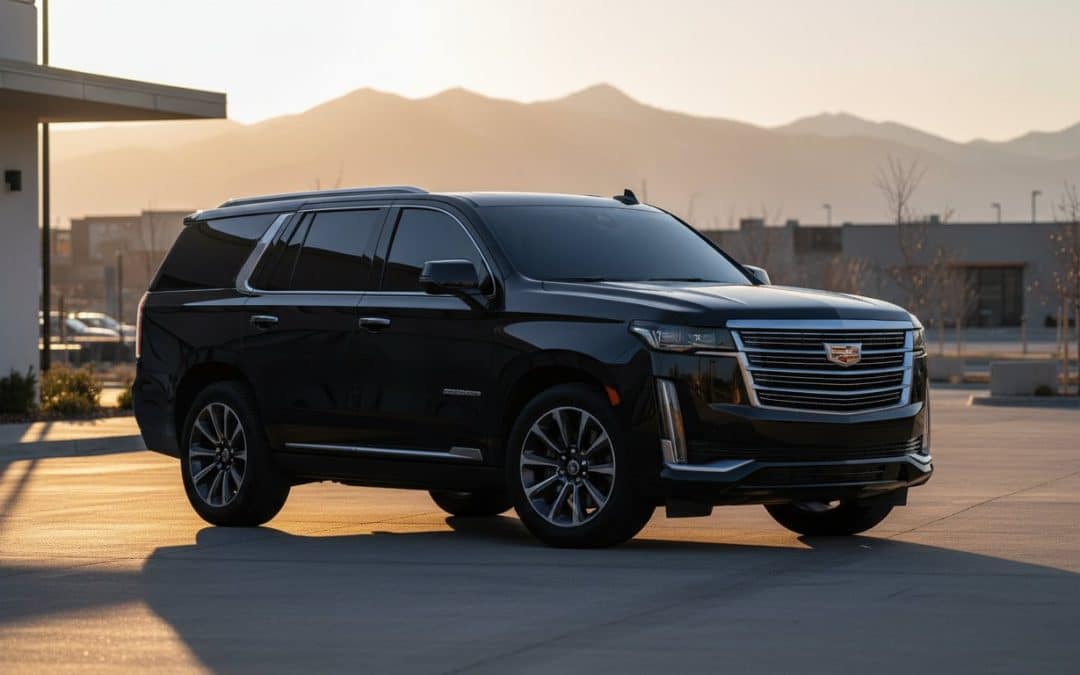
Did you know that at West Jordan’s elevation of approximately 4,300 feet, the UV radiation hitting your vehicle is up to 20% more intense than at sea level? It’s a harsh reality that many Utah drivers face every time they park outdoors or commute. You’ve likely felt that immediate blast of trapped heat when opening your door in July, or perhaps you’ve noticed your once-vibrant upholstery beginning to fade under the relentless high-altitude sun. High quality automotive window tint film is no longer just an aesthetic choice; it’s a critical layer of defense for your health and your property.
We understand that you want a vehicle that stays cool and looks professional without any technical guesswork. This guide will show you how the right film choice can block 99% of harmful rays and reduce infrared heat by a significant margin. We’ll walk through the superior performance of ceramic technology and the specific 2026 West Jordan legal requirements. You’ll learn exactly how to transform your daily drive into a protected, glare free experience that keeps your interior in showroom condition for years to come.
Key Takeaways
- Learn why high-altitude UV rays in the Salt Lake Valley require specialized protection to preserve your health and your vehicle’s interior.
- Compare modern film technologies to find the ideal automotive window tint film that balances heat rejection with crystal-clear optical quality.
- Stay informed on the latest 2026 Utah window tint regulations, including the 43% VLT limit, to ensure your vehicle remains stylish and street-legal.
- Discover how advanced ceramic coatings reduce blinding glare and heat without interfering with your car’s essential GPS and cellular signals.
- Understand why a controlled, professional in-shop environment is the only way to achieve a flawless, debris-free finish and a durable adhesive cure.
Why Automotive Window Tint Film is a Necessity in the Salt Lake Valley
Automotive window tint film is a high-tech polyester laminate specifically engineered to shield glass surfaces from the relentless Utah sun. It is a precision-engineered barrier that protects both the vehicle’s interior and its occupants. While many new SUVs and trucks come equipped with factory-tinted privacy glass, these dark windows are often misleading. Factory tint is typically just a pigment added during the glass manufacturing process. It offers zero infrared heat rejection and fails to provide the comprehensive UV shielding found in professional-grade films.
Drivers in West Jordan face unique environmental challenges that make aftermarket film a necessity. Choosing the right protection ensures your vehicle remains a sanctuary against the harsh high-desert climate. By investing in the Sun Guard standard, you’re prioritizing long-term durability and immediate cabin comfort.
The Science of High-Altitude UV Protection
UV exposure increases by approximately 4% for every 1,000 feet of elevation in Utah. Because West Jordan sits at an average elevation of 4,373 feet, your skin and upholstery are exposed to nearly 18% more damaging radiation than they would be at sea level. Professional automotive window tint film blocks 99% of these harmful rays, acting as a permanent sunscreen for your car’s interior. This protection prevents brittle dashboard cracking and keeps leather seats from losing their supple texture. It also provides a critical health benefit by reducing skin cancer risks for commuters navigating the I-15 corridor daily. The same high-altitude UV intensity that threatens your vehicle’s interior poses an equal risk to your home’s furnishings and flooring, which is why residential window tinting in West Jordan and Salt Lake City has become an essential upgrade for homeowners facing the same relentless solar pressure.
Combating the Utah Heat Island Effect
Salt Lake Valley summers frequently exceed 100 degrees, creating a phenomenon known as thermal soak where parked cars become dangerously hot. Modern automotive window tint film utilizes advanced ceramic or carbon layers to reject up to 60% of total solar energy. This results in a cabin that stays significantly cooler, which reduces the strain on your air conditioning system. Lowering the A/C load helps maintain better fuel efficiency and preserves battery range for electric vehicle owners during peak July heat. Just as automotive films protect vehicles from intense solar energy, heat control window film provides similar protection for West Jordan homes and businesses, blocking up to 79% of solar energy while maintaining clear views. The same high-altitude UV challenges that affect vehicles also impact commercial buildings, making commercial window film Salt Lake City solutions essential for protecting office interiors and reducing energy costs.
Safety remains a vital pillar of this protective layer. In the event of a side-impact collision or a stray rock on the highway, the film acts as a safety shield. It holds shattered glass fragments together, preventing sharp shards from injuring passengers. This structural integrity is a standard feature that transforms your windows into a reinforced barrier, giving you peace of mind on every drive. For even greater protection against break-ins and severe weather, safety & security film in Salt Lake City and West Jordan provides advanced glass reinforcement that can withstand extreme pressure and hold glass together even during forced entry attempts.
Understanding Film Technologies: Finding the Best Shield for Your Vehicle
Selecting the right automotive window tint film requires understanding how technology has transformed glass protection over the last 30 years. The industry has moved beyond simple darkened plastics to embrace advanced nano-ceramic shields. This evolution represents a shift from mere aesthetics to sophisticated thermal management. While early films focused on privacy, modern solutions prioritize the health of the driver and the longevity of the vehicle’s interior.
The market typically categorizes films into three distinct performance tiers:
- Dyed Film: This is an entry-point solution for those seeking basic privacy. It uses layers of dye to absorb solar energy, though its heat rejection capabilities are limited compared to modern alternatives.
- Carbon Film: A durable, mid-range performer that utilizes carbon particles instead of dyes. It provides a sleek, matte finish and excellent color stability that won’t fade over time.
- Ceramic Film: Often called the expert guardian of window protection, this premium option uses non-conductive ceramic particles to block the vast majority of solar heat.
The Problem with “Purple” Tint: Why Dyed Films Fade
Utah’s high-altitude sunlight is notoriously aggressive. During peak summer months in West Jordan, the UV index frequently hits levels of 10 or higher. This intense radiation causes the chemical bonds in standard dyed films to shatter. Within 24 months, these entry-level films often turn a distorted purple and lose their adhesive integrity. Carbon-based films are a superior choice because they use inorganic materials that remain color-stable for the life of the vehicle. Choosing professional-grade carbon ensures your car maintains a sophisticated look while providing reliable UV protection.
Ceramic Technology: The Gold Standard for Heat Rejection
Nano-ceramic particles offer a sophisticated solution for drivers who prioritize maximum comfort. These films block up to 95% of infrared heat, which is the primary cause of cabin warming. When comparing options, you’ll want to look at the Total Solar Energy Rejected (TSER) rating. A high TSER ensures your air conditioning doesn’t have to work as hard, which is a vital benefit for electric vehicles like the Tesla Model 3 or Rivian R1S. By reducing the thermal load, ceramic film helps preserve battery range during long commutes on I-15. The same nano-ceramic technology that keeps your vehicle cool is also available for your home’s windows; professional residential window tinting in West Jordan uses identical premium film grades to reject up to 97% of infrared heat and eliminate glare from your living spaces. You can experience the difference that premium materials make by choosing a shield engineered for the unique Utah climate.

Navigating Utah Window Tint Laws: Staying Legal in 2026
Understanding the technicalities of Utah Code 41-6a-1635 is the first step toward a successful vehicle upgrade. Visible Light Transmission, or VLT, measures the amount of light that passes through your automotive window tint film. In West Jordan and across the Salt Lake Valley, the 2026 legal standards remain precise to ensure both driver privacy and road safety. You must ensure your front side windows allow at least 43% of light to pass through. This specific 43% VLT rule is non-negotiable for the driver and front passenger windows.
Utah offers significantly more flexibility for the rear half of your vehicle. If your car is equipped with dual side mirrors, you can apply any darkness of film to the rear side windows and the back windshield. This allows for maximum heat rejection and privacy for passengers or cargo. For the front windshield, the law permits a non-reflective strip of automotive window tint film applied only above the manufacturer’s AS-1 line. This strip typically extends 4 to 6 inches from the top of the glass, providing a crucial shield against the blinding afternoon sun over the Oquirrh Mountains. For comprehensive guidance on all aspects of window tinting Salt Lake City regulations and film selection, including both residential and automotive applications, our detailed buying guide covers everything you need to know about Utah’s unique high-altitude UV challenges.
Compliance and Safety in Salt Lake County
Professional installation is your best defense against “fix-it” tickets and failed safety inspections. Our team utilizes calibrated light meters to verify your film’s VLT percentage before the heat-shrinking process even begins. This precision is vital because factory glass often has a slight 2% to 3% natural tint; adding a 43% film could actually drop your total transparency below the legal limit. Beyond legality, safety is our priority. Overly dark front windows can reduce your reaction time by 15% during winter storms or while driving unlit canyon roads at night. We ensure your car looks sleek while maintaining crystal clear visibility for every turn. Working with qualified window tint installers in West Jordan and Salt Lake City is essential to guarantee your film meets the 2026 legal standards while delivering the performance you expect.
Medical Exemptions for Utah Drivers
Drivers with specific health conditions can apply for a medical waiver through the Utah Department of Public Safety. If you suffer from Lupus, porphyria, or other acute light sensitivities, you may qualify to install darker film than the standard 43% limit. You’ll need to carry a signed physician’s statement and the state-issued permit in your vehicle at all times. Sun Guard Tint specializes in helping permit holders select specialized films that offer 99.9% UV protection. We prioritize your health and comfort, ensuring your vehicle serves as a protective sanctuary without risking legal complications during a routine stop.
Maximizing Driving Comfort: Heat Rejection and Optical Clarity
West Jordan drivers understand the blinding intensity of the sun when cresting the Point of the Mountain during a 7:00 AM commute. High-quality automotive window tint film does more than just darken your glass; it acts as a precision filter for your safety. By reducing up to 94% of harsh glare, these films ensure your vision remains sharp during high-risk sunrise and sunset transitions. You won’t have to squint against the light reflected off the salt flats or snowy peaks, which significantly lowers eye strain during long drives.
Beyond vision, there is a vital psychological component to climate control. Research indicates that cabin temperatures exceeding 80 degrees Fahrenheit can increase driver irritability and slow reaction times by 12%. A cooler interior, maintained by advanced solar protection, helps you stay focused and calm behind the wheel. We prioritize optical clarity in every installation, ensuring your view is crystal clear without the “orange peel” texture or distortion found in lower-grade products. It’s about creating a sanctuary where you can drive with confidence.
Signal-Safe Technology for Modern Vehicles
Older metallic films often caused headaches for drivers by blocking essential electronic signals. In 2026, your vehicle relies on a constant stream of data for 5G connectivity, GPS navigation, and tire pressure monitoring systems. We utilize non-conductive carbon and ceramic materials that allow these signals to pass through effortlessly. You’ll never have to worry about your keyless entry failing or your satellite maps lagging due to your choice of automotive window tint film. Total Solar Energy Rejection (TSER) is the comprehensive measurement of a film’s ability to block solar energy, including infrared and ultraviolet rays, rather than just visible light.
Aesthetic Transformation and Privacy
A professional installation provides a sleek, factory-matched finish that elevates any vehicle’s appearance. Beyond the looks, privacy is a critical layer of security for your property. Darker shades shield your valuables from prying eyes, acting as a powerful deterrent for opportunistic theft. This investment also preserves your interior; by blocking 99% of UV rays, you prevent the leather cracking and dashboard fading that typically occurs after 3 years of intense Utah sun exposure. This preservation directly supports a higher resale value when you decide to upgrade your vehicle.
Protect your investment and your peace of mind by choosing the Expert Guardian for your vehicle. Experience the difference in professional shielding today.
The Professional Advantage: Why In-Shop Application Outperforms the Rest
Achieving a showroom finish requires a controlled environment that eliminates external variables. We exclusively offer in-shop services at our West Jordan facility because outdoor conditions are the primary enemy of high-quality film. Our “Clean Room” standard ensures that your automotive window tint film is applied in a space where air quality is strictly managed, preventing the common flaws found in mobile installations.
Adhesives are chemically sensitive. We maintain a steady internal climate of 70 to 75 degrees Fahrenheit with strictly controlled humidity levels. This precision allows the adhesive to cure perfectly from the moment it touches the glass. It prevents the premature peeling, bubbling, or hazy finish that occurs when film is exposed to fluctuating temperatures or high moisture during the initial bond.
We use precision technology to ensure every edge is flawless. Our computer-aided cutting software is programmed with the exact specifications for your vehicle’s make and model. This technology eliminates the need for hand-cutting blades near your glass, ensuring a 100% accurate fit that protects your window seals and delicate electronics from accidental damage.
The Risks of Mobile and DIY Tinting
Utah’s climate presents unique challenges for any window project. On a typical day in West Jordan, wind speeds often carry 50 to 100 micro-particles of dust and pollen per cubic foot. In a mobile or outdoor setting, these particles inevitably trap themselves under the film. This results in permanent “specking” that compromises both aesthetics and optical clarity. Professional tools and a static-controlled environment are essential to avoid damaging the integrated defroster lines and sensitive door panel sensors found in modern vehicles.
Experience the Sun Guard Difference in West Jordan
With over 20 years of experience serving West Jordan, South Jordan, and the Salt Lake Valley, we’ve refined a process that prioritizes your vehicle’s longevity. When you arrive for your appointment, our technicians perform a multi-point inspection to ensure every piece of glass is prepared for a flawless bond. Our Expert Guardian Guarantee reflects our commitment to meticulous craftsmanship and technical excellence. We don’t just apply film; we provide a protective shield that enhances your driving experience for years to come. To ensure you’re working with the most qualified professionals, review our 2026 checklist for selecting the best window tint installers in West Jordan and Salt Lake City before booking your appointment. If you’re still searching for the right team, our comprehensive resource on finding expert window film installers near me in Salt Lake City and West Jordan walks you through exactly what credentials, equipment, and guarantees to look for in a 2026 installation provider.
Protect Your Investment with West Jordan’s Tinting Specialists
Investing in premium automotive window tint film is about more than just a sleek appearance; it’s a commitment to long-term vehicle preservation and driver comfort. By choosing advanced ceramic or carbon technologies, you’re shielding your interior from the intense Salt Lake Valley sun. You’re also ensuring your visibility remains crystal clear while staying fully compliant with the 2026 Utah legal standards. Sun Guard Tint brings over 20 years of local Utah expertise to every project we handle. We utilize a dedicated, professional in-shop facility on Redwood Road to achieve a flawless finish that mobile or home applications simply can’t match. You’ll enjoy a significantly cooler cabin and the peace of mind that comes with high-performance infrared heat rejection. Our specialists are ready to help you select the perfect shield for your specific vehicle and lifestyle needs. Experience the difference that professional craftsmanship makes for your daily commute. We look forward to helping you enhance your driving experience and protecting what matters most.
Get a Professional Automotive Tint Quote in West Jordan
Frequently Asked Questions
Is window tinting legal in Utah?
Yes, window tinting is legal in Utah as long as you follow the 2026 state regulations. Your front side windows must allow at least 43% Visible Light Transmission (VLT) to pass through the glass. However, you have complete freedom with the rear side and back windows, which can be any darkness level you prefer. This balance ensures you maintain visibility for safety while maximizing heat rejection for your passengers.
Does automotive window tint film interfere with GPS or cell signals?
Modern automotive window tint film won’t interfere with your GPS, cell phone, or satellite radio signals. Older metallic films often blocked electronic frequencies; however, we exclusively use advanced carbon and ceramic materials. These non-metallic layers allow 100% of signals to pass through without interruption. You’ll enjoy the benefits of heat protection while staying fully connected to your navigation and communication devices on every drive.
How long does it take to tint a car at your West Jordan shop?
A professional installation at our West Jordan facility typically takes 2 to 4 hours to complete. This timeframe allows our technicians to perform a meticulous cleaning process and ensure the film fits perfectly. Larger SUVs or vehicles requiring old film removal might take the full 4 hours. We recommend scheduling an appointment to ensure your vehicle receives our undivided attention for a flawless, factory-like finish.
Will my automotive window tint film bubble or turn purple?
Your automotive window tint film is guaranteed against bubbling, peeling, and turning purple. Those unsightly changes happen to low-quality dyed films that break down under 100 degree Utah summer heat. We use professional-grade films engineered with stable pigments and advanced adhesives. These materials are tested to maintain their color and structural integrity for the life of your vehicle, providing you with long-term peace of mind.
Can I roll my windows down immediately after tinting?
You shouldn’t roll your windows down for 3 to 5 days after your installation. The adhesive needs this critical time to cure and bond fully with the glass surface. In Utah’s dry climate, 72 hours is often sufficient, but waiting the full 120 hours ensures the edges don’t peel or shift. This short waiting period protects your investment and ensures the film remains crystal clear and perfectly positioned.
What is the difference between carbon and ceramic tint?
Carbon film provides a beautiful matte finish and blocks approximately 40% of infrared heat. Ceramic tint represents the pinnacle of technology, blocking up to 99% of UV rays and significantly more solar energy. While carbon is a great upgrade, ceramic offers superior optical clarity and the highest level of interior cooling. Both options are 100% dye-free, meaning they won’t fade or lose their protective properties over time.
Do you offer mobile window tinting in Salt Lake City?
We don’t offer mobile services because we prioritize a controlled, dust-free environment for every project. Performing work in our specialized West Jordan shop allows us to eliminate 95% of airborne contaminants that cause imperfections. A static-free bay is essential for achieving the Sun Guard standard of quality. This commitment to a clean workspace ensures your film looks invisible and performs at its peak for years.
How do I clean my tinted windows?
Clean your tinted windows using a soft microfiber cloth and a dedicated ammonia-free glass cleaner. Ammonia is a harsh chemical that can degrade the protective hard coat of the film over 12 to 24 months. By using a pH-balanced solution and gentle pressure, you’ll maintain the sleek appearance of your glass. Regular maintenance with the right tools keeps your view crystal clear while protecting the film’s advanced solar-blocking layers.